
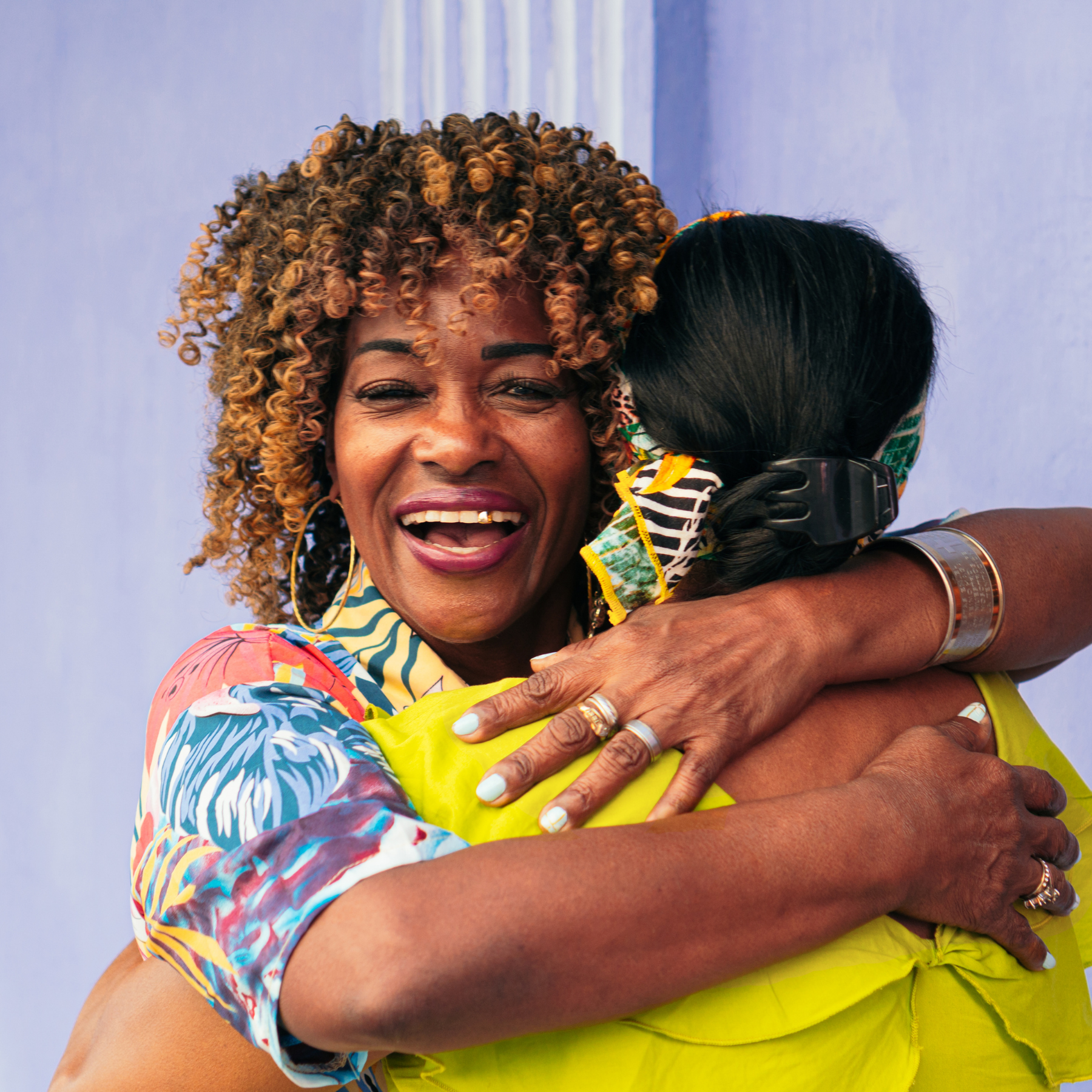
Hispanic Heritage Month starts on a specific date for a reason. Costa Rica, El Salvador, Guatemala, Honduras, and Nicaragua declared independence on September 15; Mexico and Chile follow in the days right after. The calendar isn't arbitrary. It gathers, in a single stretch of weeks, origin stories that shape the experience of millions of people in the United States.
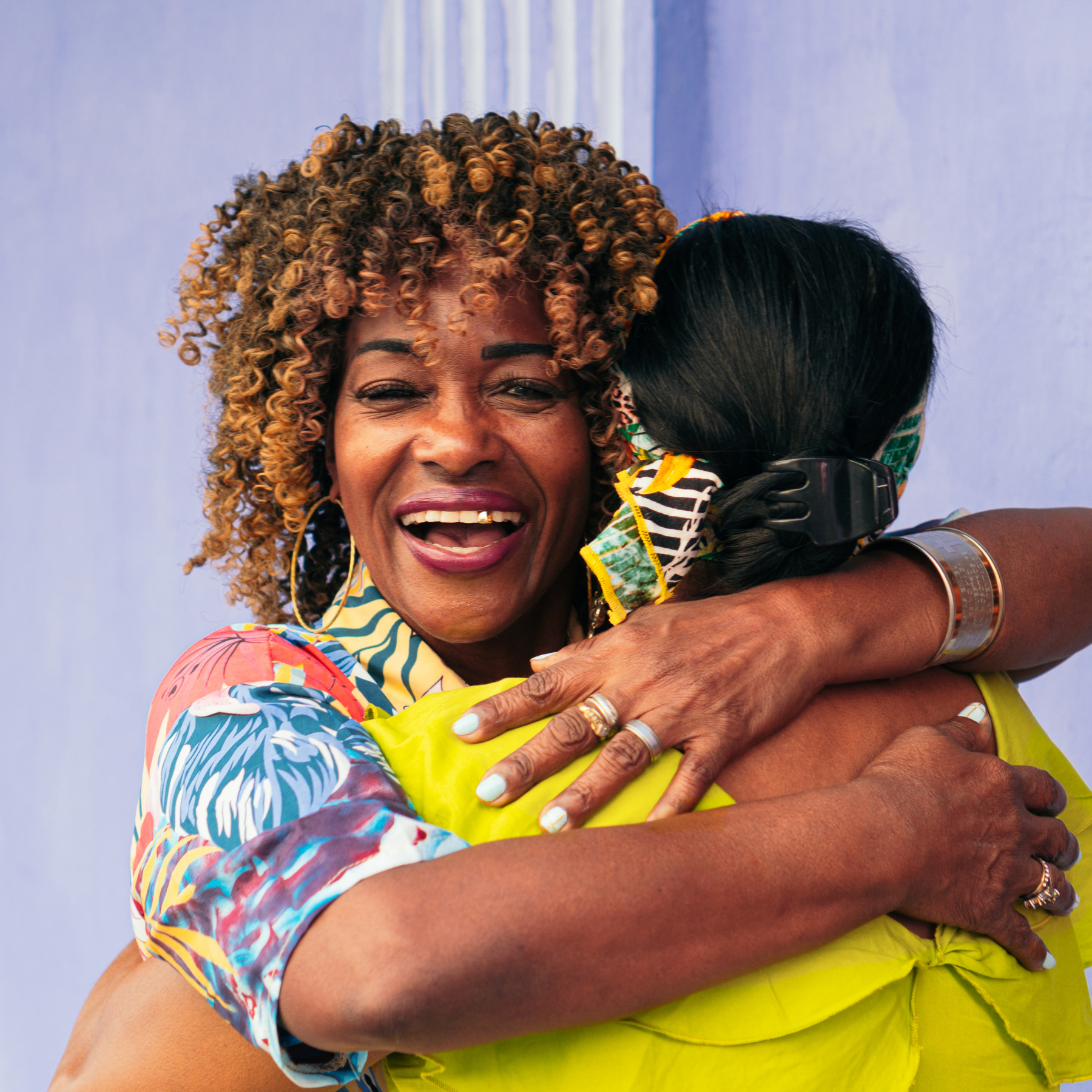
Today, Latino-owned businesses make up more than 20 percent of all companies started in the country. That number carries an important contradiction: the more this community builds, the less capital it receives, proportionally, in return.
For nearly a decade, Digitalundivided has been documenting that gap between potential and access. Project Diane, published every two years since 2016, was the first study to measure, with real data, how much venture capital reaches Latina and Black founders in the United States. Other reports from the organization added to that picture over the years, helping map not just the obstacles founders face, but also where the leverage points sit within the broader ecosystem of funds, accelerators, and support programs.
Among groups historically underrepresented in access to capital, Latina women remain among the most vulnerable. Black and Latina founders together receive less than 0.1 percent of all venture capital distributed in the United States. Understanding a problem with precision is the first step toward solving it. That logic has guided Digitalundivided's research from the start.
.png?width=1800&height=1800&name=Donation%20Campaign%20-%20LinkedIn%20Ads%20(1).png)
Reducing this date to numbers, though, would miss half the story. For many Latino families, entrepreneurship was never an isolated choice. It's a collective practice: the business that supports several generations, the shop that grows out of a family recipe, the informal network of neighbors and relatives that funds the first batch of inventory when no bank would. That culture of community-driven entrepreneurship is, in many cases, what has kept Latino businesses running even without access to formal capital.
Both layers of this date are worth holding at once. The structural one, which still needs data, policy, and investment. And the cultural one, which has carried this spirit for generations already.
Lift While We Climb
Every founder who's come through a Digitalundivided program got there because someone chose to invest before the results were guaranteed. Lift While We Climb keeps that going. Your gift funds grants, mentorship, and the research, like Project Diane, that keeps tracking whether capital is actually reaching Latina and Black founders.